
UE5 Development: An Unorthodox Experience
–
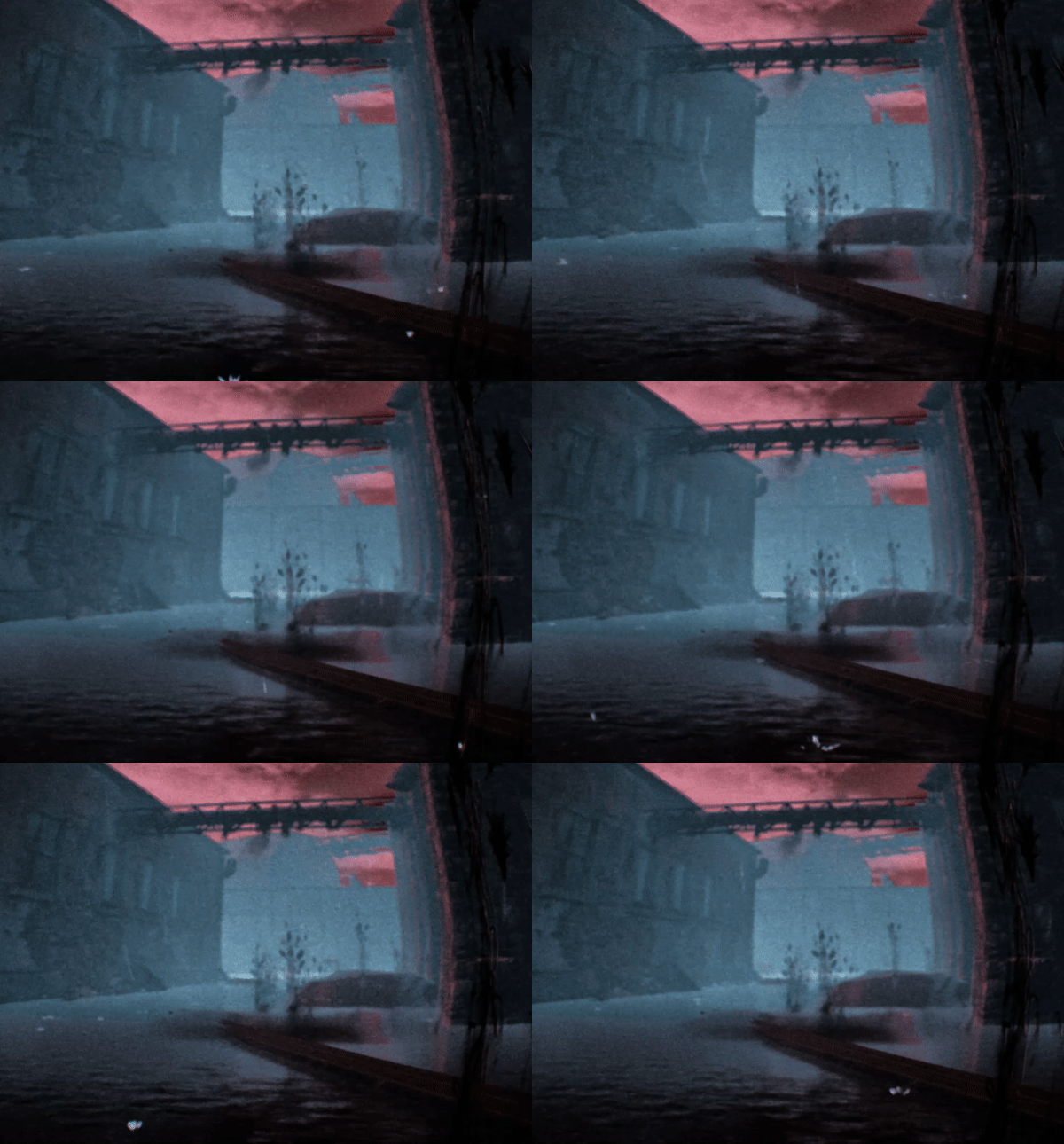
Engine Used in Development: Unreal Engine 5.5
My Role(s): Creator
Team Size: 1
The Bodycam-Style Horror Game
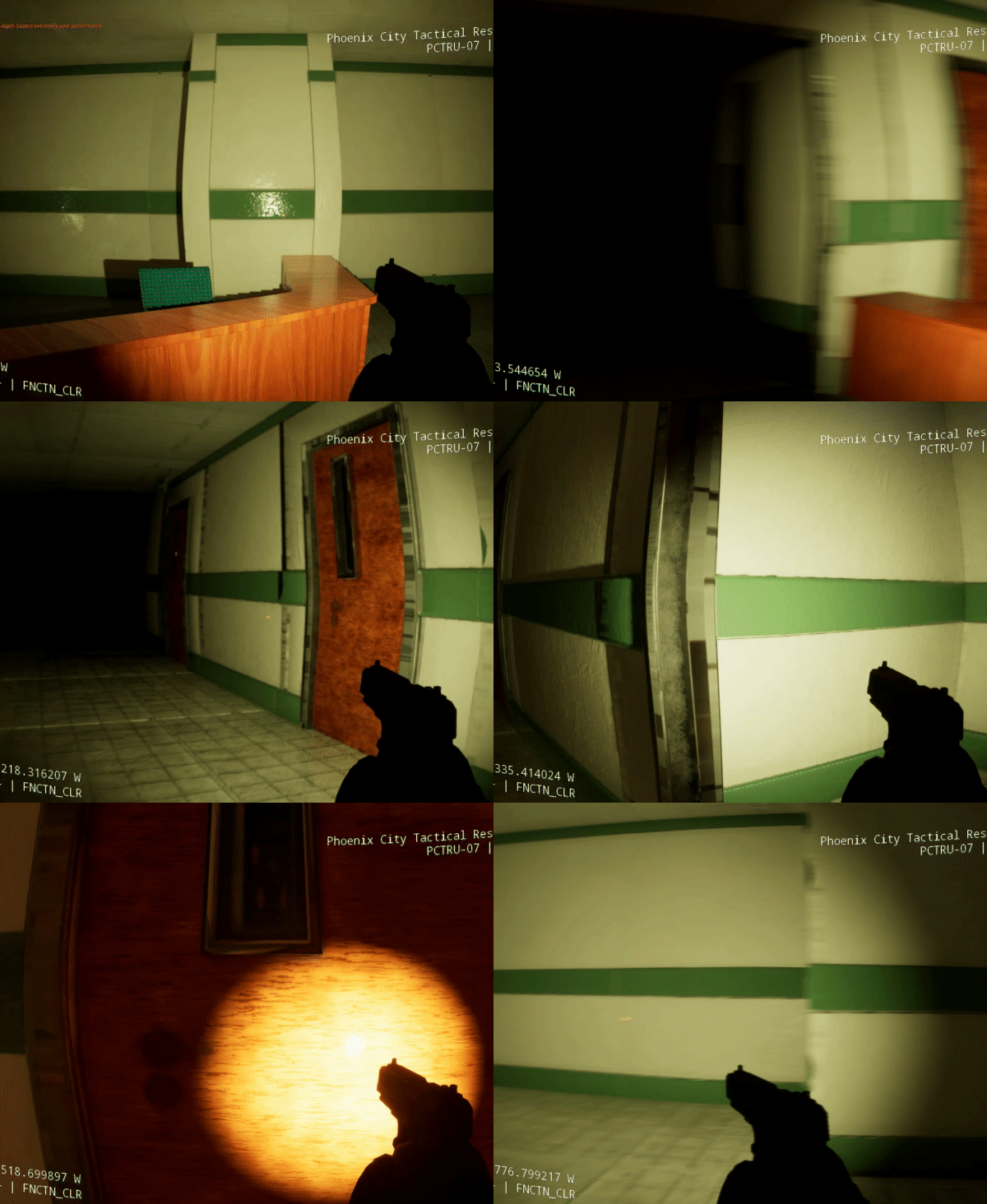
Bodycam Horror, First Simulation, March-April Excursion.
When I began developing this game during my systems and mechanics course, I had a very limited understanding of the background information used in UE5. I knew the feeling I wanted to convey, I knew the overarching result, and I knew that I had the materials needed to get there, but I left this state of the project with something janky and not close to what I was looking for. This first iteration had the gun drag/lag behind the camera, giving it a human-esc delay of movement, but it didn’t seem to give off the body-cam feeling other games in the genre provided.
In the newer iteration, I re-bound the movement to a double spring-arm system that allowed the gun to effectively move in line or ahead of the camera system. When moving slowly, it moved about the same pace as the camera, but as you moved faster or “flicked” the mouse, it would move ahead of you, as other games in the genre accomplished.
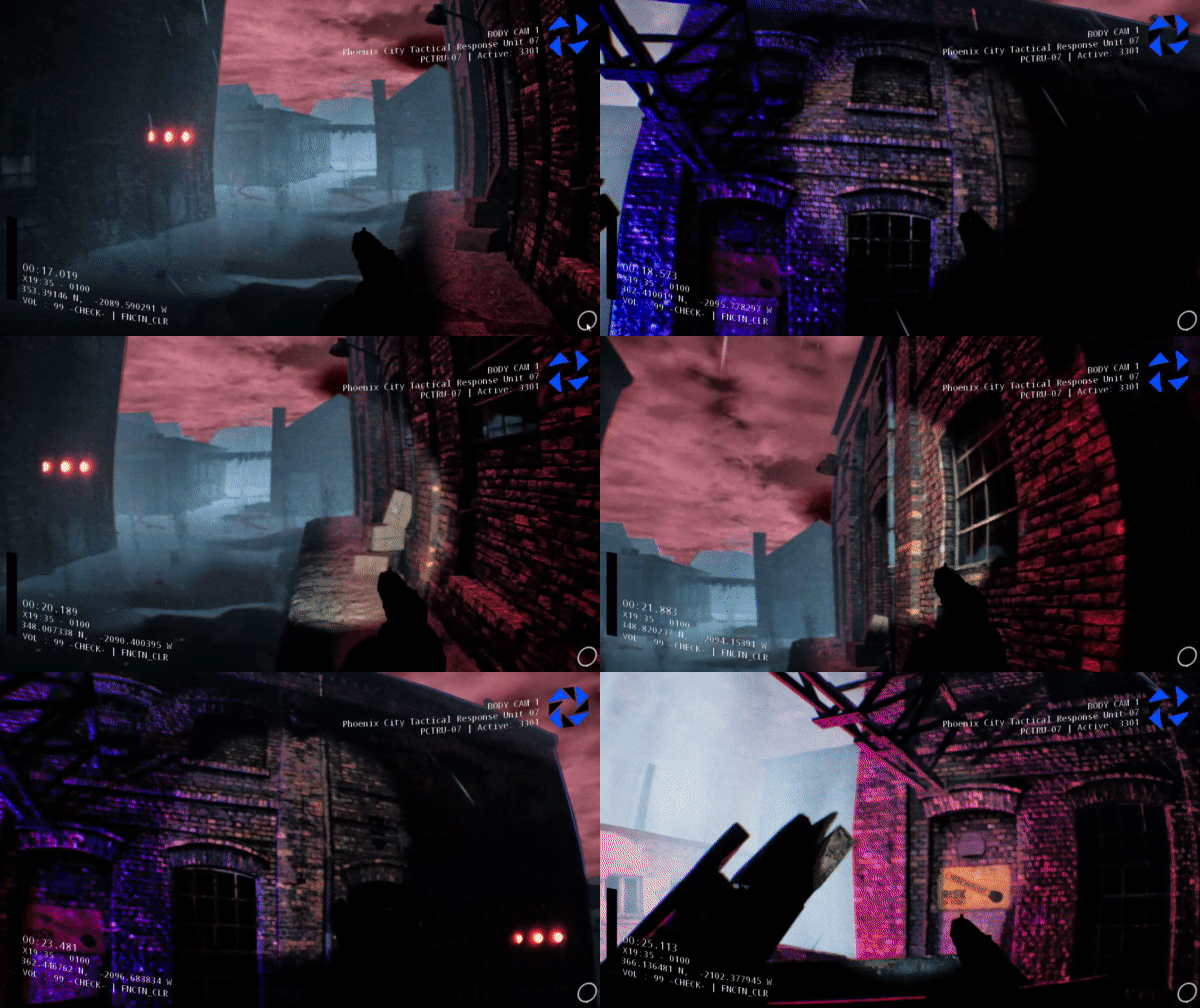
Bodycam Horror, Second Simulation, September-December Sem.
Bodycam Horror, First Enemy & Movement.
Another thing I wanted to adjust was the enemy AI system I was using. Taking a preset from the asset store was a bonus, but I found that my lack of understanding of AI development left the creature feeling plain and lackluster, not adding to the horror experience whatsoever. The animations didn’t map up, and the creature lost interest in the player very quickly.
To combat this, I re-developed the system from the ground up, opting for motion trees and custom movement logic that made the AI feel a bit more like how I envisioned it. This also included a system where, as the enemy got closer, the player could hear their heartbeat grow louder. This passive system helped inform the player as they were quickly making their way around the space they’re in.

Bodycam Horror, Second Enemy & Movement.
The Big Switch – Hunting Prototype
After reaching a stage that I felt comfortable reaching for my previous project, I realized I still had around 8 weeks left of my current seminar. As a result, I decided I would take what I had learned (and use the framework I designed in the previous prototype) to try to learn more about UE5 and data structs. That brings me to a more recent creation of a hunting simulator. The early stages of this prototype were to create a rudimentary inventory system that pulled data from structs and interfaces. This version also included a “pan-out” system that would show you what you shot at, but UE5’s system proved to have some challenges.
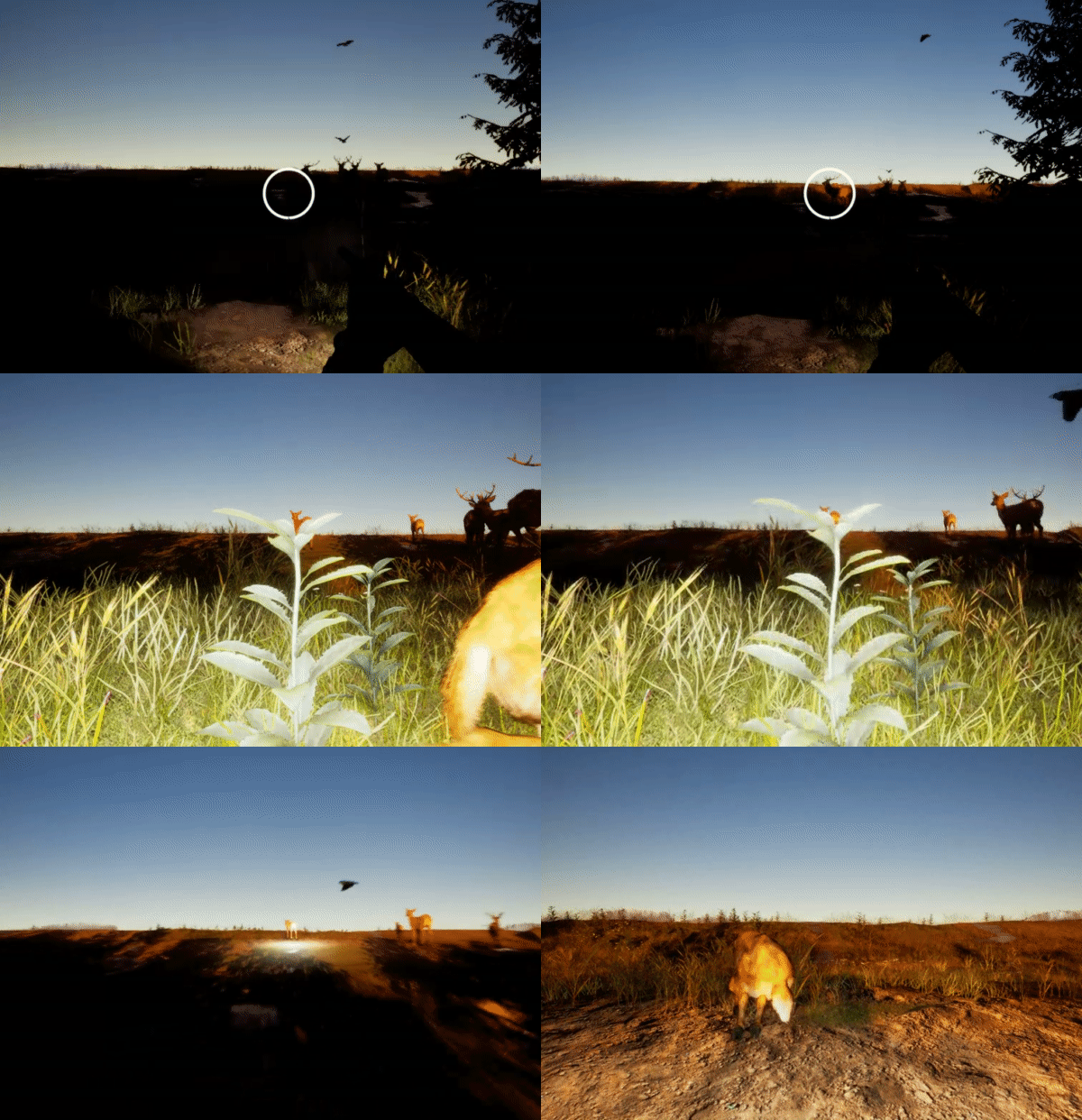
Hunting Experience, First Cutscene Prototype.
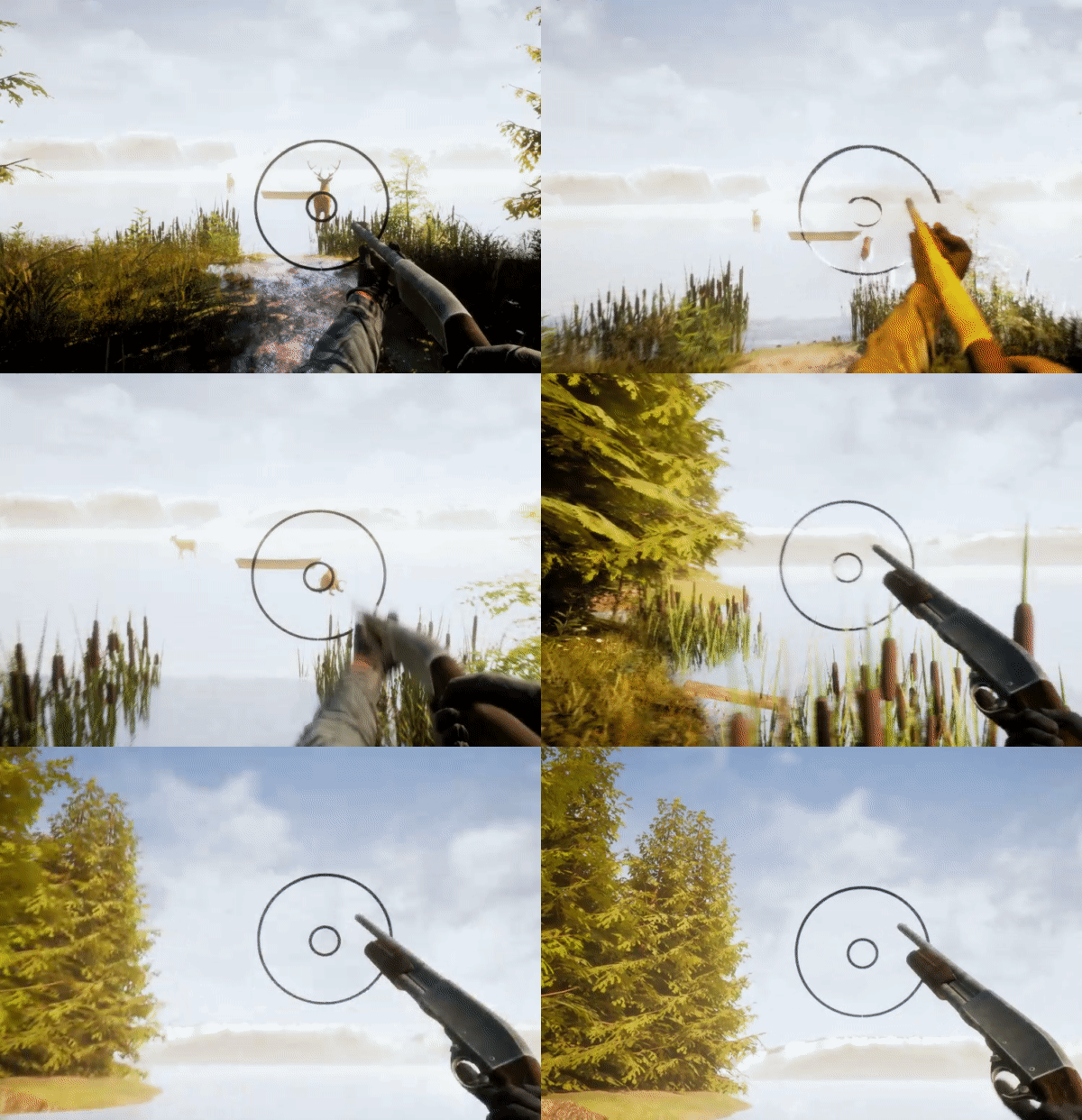
Hunting Prototype, Movement Adjustments & First Crosshair.
At this point, I was also experimenting with numerous different ways to portray the player’s experience properly. In-world reticles, softer moving, and lighting in UE5 to create a versatile experience that the intended audience would enjoy. To create the experience quickly, I opted for pre-made models and animations, and just worked on the systems and cohesion portion.
To second the previous statement, I worked on a day-and-night system that would encourage players to enjoy multiple avenues of play. This used a simple script placed on the UE5’s sun-light that could then be adjusted with a variable at runtime.
Hunting Experience, Daylight Cycle.
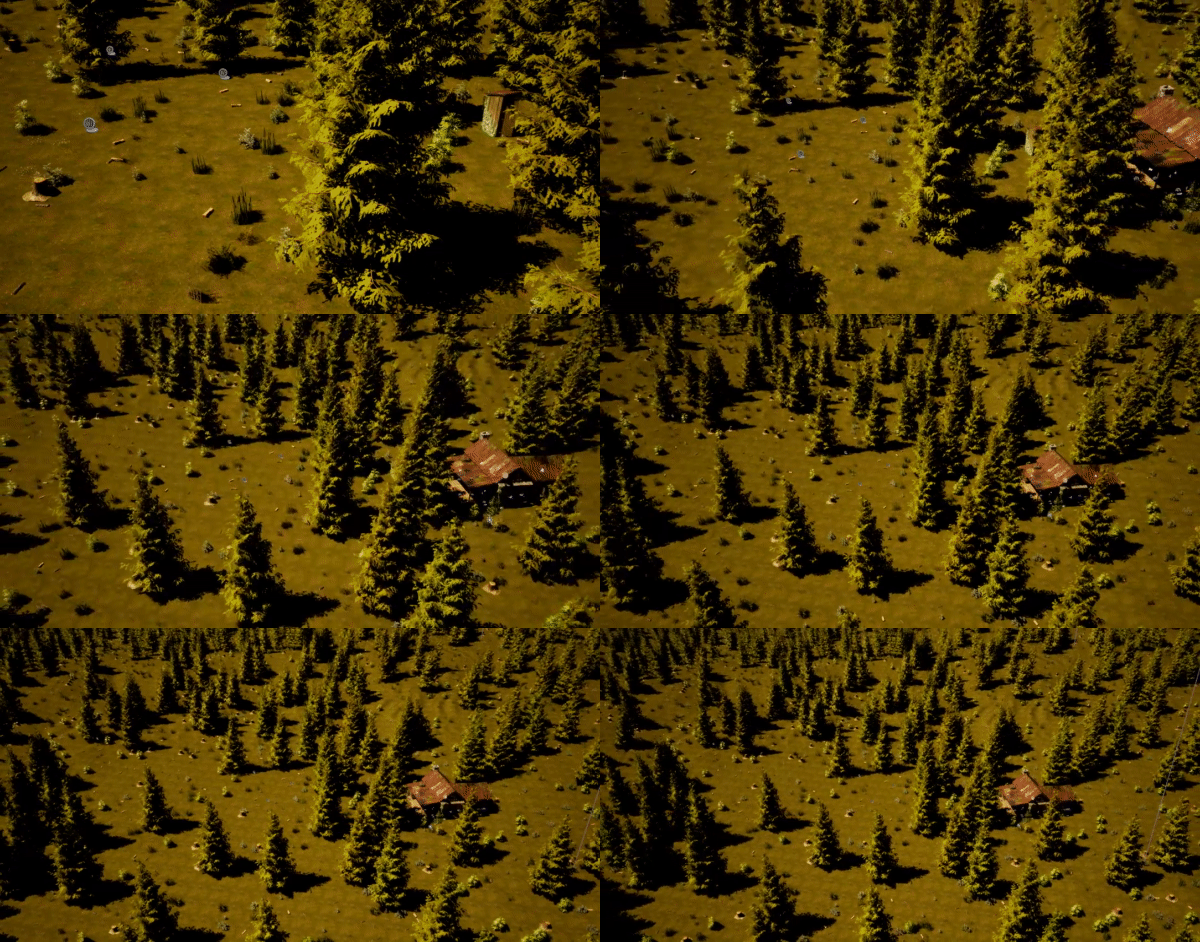
Hunting Prototype, World Overhaul.
Towards the end of the project, I decided to rework the map to create something that was a bit more wooded. I also opted to use UE5’s LOD system to make sure the game wasn’t too laggy or unoptimized, especially on older hardware.
Music was also made by me at a later stage to support the game’s overall ambience. Taking inspiration from C418’s Minecraft soundtracks, I wanted to create something somber and soft to connect to the natural theme that the hunting prototype promoted.
Of course, a prototype I’ve made wouldn’t be complete without the tailored “cherry on top” that makes all of my experiences a bit more light-hearted. With one week left until the submission, I was told to create a weapon that was less inhumane than a shotgun, making sure the animals of the game wouldn’t suffer. So, in all good fashion, I created what is known in-game as the “Low Orbital Hunting Ion Cannon”, or “LOHIC” for short.
In Retrospect
In retrospect, this experience I worked on helped me hone in on some of the necessary skills and improvements I wanted to make in the engine, and it allowed me to pursue alternative avenues and references that I wouldn’t have experienced prior. It also gave me some knowledge on backend systems in UE5 that I previously misunderstood.